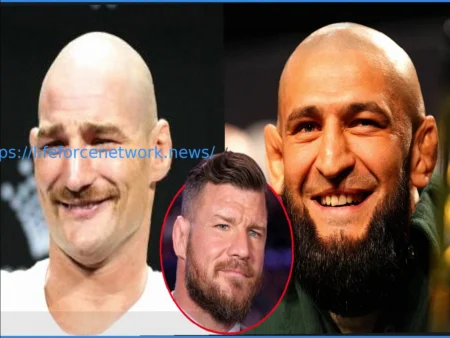

Former UFC welterweight champion Tyron Woodley believes Sean Strickland masterfully played his role leading up to UFC 328, blurring the lines between reality and performance. In an exclusive interview, Woodley noted that Strickland’s characteristic outspokenness made his trash talk more effective and that the fight generated enough buzz to make the event a success.
Woodley’s assessment of Strickland was direct: “Strickland is Strickland. He’s become a very memeable person. He likes attention, and he got a little loose. He’s kind of a filterless figure in the sport where you can say stuff like that, especially when he’s almost become uncancellable because he says so many ridiculous things all the time.” Woodley elaborated that fans have grown accustomed to Strickland’s controversial statements, so a single instance doesn’t elicit the same shock as it might from a fighter who typically stays within bounds.
According to Woodley, the pre-fight narrative served the event well. “You expect it, and you don’t hold him to the same standard as somebody who never says anything out of line and then suddenly says something crazy. So I feel like he did what he was supposed to do. And if it’s good enough, we’ll forget that they trained together and that they were laughing. As long as the mix-up is fun and entertaining, that’s what matters. I think they made it fun and entertaining. They did what they should do for the fight.” He emphasized that the effectiveness of the storyline lay in its ability to keep audiences engaged.
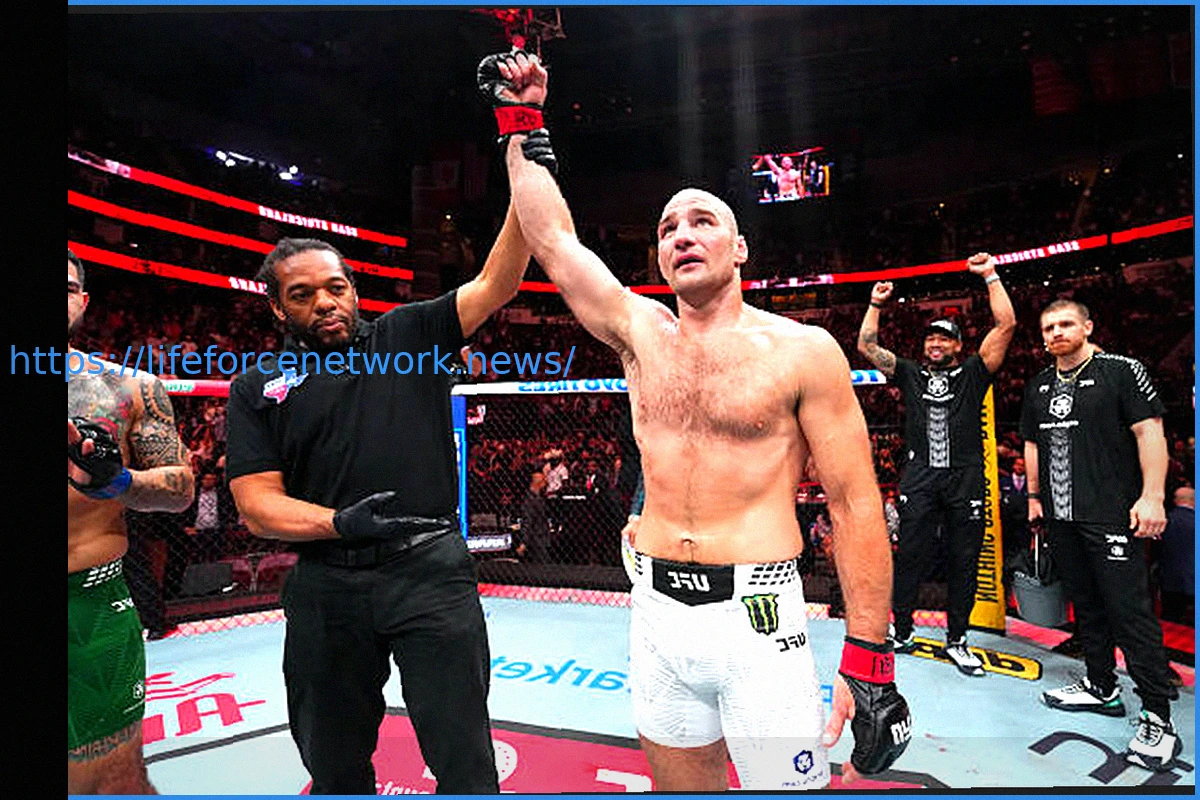
The UFC 328 main event saw Sean Strickland defeat Khamzat Chimaev by split decision to regain the middleweight championship. Strickland secured the win with two scorecards at 48-47, while Chimaev took the third by the same margin. The pre-fight animosity was palpable, with public confrontations and racially charged remarks from Strickland. Despite the heated exchanges, the fight concluded with a moment of sportsmanship as Chimaev draped the belt around Strickland’s waist.
The compelling narrative was amplified by both fighters’ ability to embrace the fight week drama. Strickland has a history of using provocation to sell fights, and this instance reached a point where even the apparent animosity seemed like a performance to some observers. Woodley’s perspective is that the authenticity of the emotions was secondary to the fact that the outcome was both entertaining and memorable.