
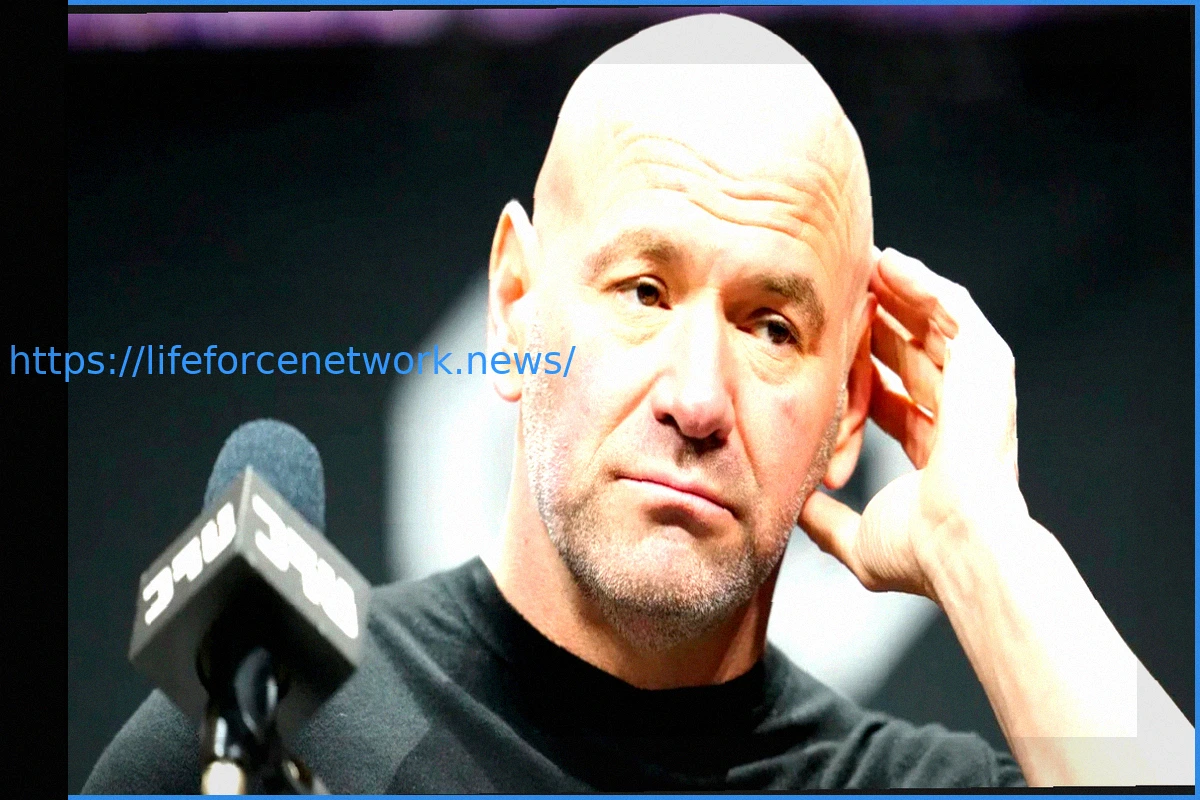
UFC president Dana White has doubled down on his contentious perspective regarding men and mental health in a recent interview. White, a pivotal figure in combat sports, particularly in the UFC, has been instrumental in the organization’s growth. While he has expanded into other ventures like Power Slap and boxing, and maintains political affiliations, his recent comments have drawn attention.
White has previously stated his opposition to increased efforts to support men’s mental health, suggesting that public displays of sadness are unattractive and unmanly. He commented, “I hate this whole men’s mental health stuff that they talk about. Unfortunately, when you’re a man, you are the provider, you can’t be that guy posting on social media, oh I had a bad day and I’m so sad. It’s unattractive to other males, let alone women.”
In a subsequent interview, White elaborated on his views, stating that discussing mental health struggles publicly can encourage young men to believe it’s acceptable to express vulnerability. He advised, “Talking about it publicly, I just feel like it opens the door to make young men think that it’s OK to just f**king go, ‘Oh, I’m having mental [health issues].'” He further emphasized, “Handle it behind closed doors. Don’t show that weakness to anybody.” White also questioned the concept of “toxic masculinity,” asking, “I am unapologetically masculine. What is toxic masculinity? Who has it? Who’s too masculine?”
It remains to be seen how White’s reiteration of these views will be received, especially in light of the backlash he faced previously for similar comments.
Dana White discusses men’s mental health
Dana White continues to voice his strong opinions on how men should approach mental health issues. He believes that public discussions about personal struggles can normalize what he perceives as weakness. According to White, men should keep their mental health concerns private, stating, “Handle it behind closed doors. Don’t show that weakness to anybody.” He also expressed his identity as unapologetically masculine and questioned the definition and existence of “toxic masculinity.”
Given the prior negative reception to his comments on men’s mental health, it will be interesting to observe the public’s reaction to his continued stance on the matter.