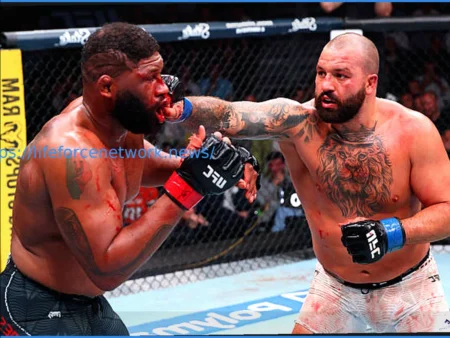


UFC 327’s reported gate of $6,518,684 and an attendance of 17,741 at Miami’s Kaseya Center have raised concerns among fans, especially when compared to the UFC’s recent performance in the same city. This has sparked a broader discussion: was this a one-time pricing miscalculation, or an early indicator that the UFC’s strategy for live events is beginning to falter?
UFC 327 Ticket Demand Sparks Fan Concerns
While UFC 327 offered exciting fights, much of the post-event discussion centered on its financial performance. The event, held on April 11 at Miami’s Kaseya Center and headlined by Jiří Procházka vs. Carlos Ulberg, officially drew 17,741 attendees and generated a reported $6,518,684. Although these figures are respectable in isolation, their context in Miami has sounded alarm bells.
The primary issue isn’t that UFC 327 lacked excitement or was poorly attended in absolute terms. Rather, Miami has become a highly lucrative market for UFC pay-per-view events, and this card fell considerably short of the standards set in recent years. UFC 287, featuring Alex Pereira vs. Israel Adesanya 2, reportedly grossed between $11.9 million and $12 million. UFC 299, headlined by Sean O’Malley vs. Marlon Vera 2, saw 19,165 attendees and a reported $13.75 million gate, setting a Kaseya Center record at the time. UFC 314 also reportedly exceeded $11.5 million with 18,287 spectators. In comparison, UFC 327 showed a significant decline.
This discrepancy prompts a larger business question: was the UFC overpricing tickets, or are fans becoming more discerning about the premium prices they are willing to pay for live events? The criticism regarding ticket prices is valid. UFC 327 tickets began at $206 and went up to $50,875 for premium packages. For an event headlined by a vacant light heavyweight title fight and lacking a proven, top-tier box office draw, these prices likely discouraged many potential attendees.
Simultaneously, the quality of the event itself cannot be ignored. UFC 327 does not necessarily signal a decline for the UFC, nor does a single lower-performing gate in Miami negate the promotion’s recent successes. However, it does suggest that brand recognition alone might not be sufficient to sustain high ticket sales for live events if a card lacks a clear superstar, a compelling rivalry, or a sense of essential viewing. Pre-fight reports indicated weak advance ticket sales, with many fans opting to watch via streaming platforms instead of attending in person.
The UFC promoted Procházka vs. Ulberg as a vacant title bout, but it evidently lacked the commercial appeal of events like Pereira-Adesanya 2 or O’Malley-Vera 2. Those previous Miami cards benefited from stronger narratives and more established draws. Fans in Miami, having experienced high-profile numbered UFC events, were comparing UFC 327 against their expectations for such occasions.
Concerns about unsold tickets were circulating even before the event, and this chatter intensified afterward. Former UFC champion Henry Cejudo, on his podcast, suggested the arena was not sold out, estimating around 6,000 unsold tickets, although this was not an official figure. Regardless of the exact number, his comments amplified the sentiment among many fans: if this was intended to be another major success in Miami, it did not appear or feel that way.
WWE fans have also voiced dissatisfaction with rising ticket prices, particularly around WrestleMania 42. Reports indicated that the company was concerned about sales pace despite maintaining premium pricing, with tickets ranging from approximately $266.80 to $8,998 and VIP packages reaching about $46,219. There are also discussions about growing backlash from both fans and some talent regarding the cost of attending WWE events, with speculation that TKO Group Holdings is attempting to align WWE ticket revenues more closely with UFC levels.
This trend is relevant to the UFC 327 situation as it frames the Miami gate issue within a larger TKO-era debate: to what extent can the company increase prices across both brands before fans in key markets cease to view live events as guaranteed purchases?
This is why fans are raising the alarm. While UFC 327 may not signify an impending collapse, it appears to serve as a warning. It suggests that there might be a limit to how much the UFC can charge for tickets when star power is less prominent and the event doesn’t feel indispensable.
English Translation and Rewording:
Fans are raising concerns about UFC 327’s significantly lower gate revenue compared to previous events in Miami, prompting questions about whether this is a reflection of pricing strategy or a sign of waning appeal for the UFC’s live business model. The event generated a reported $6,518,684 with 17,741 attendees at Miami’s Kaseya Center, a figure that falls short of recent UFC spectacles in the same city.
UFC 327 Ticket Sales Raise Red Flags Among Fans
Despite offering exciting in-cage action, much of the post-UFC 327 discussion revolved around its financial performance. The April 11 card, headlined by Jiří Procházka vs. Carlos Ulberg, officially recorded 17,741 attendees and a gate of $6,518,684. While these numbers are substantial on their own, they have triggered alarms within the context of Miami’s track record as a strong market for the UFC.
The concern is not that UFC 327 was a failure in terms of attendance or atmosphere. Instead, it lies in the fact that Miami has become a premier market for UFC pay-per-view events, and this card significantly underperformed compared to recent years. UFC 287, built around the Alex Pereira vs. Israel Adesanya 2 rematch, reportedly grossed approximately $11.9 million to $12 million. UFC 299, headlined by Sean O’Malley vs. Marlon Vera 2, drew 19,165 fans and a reported $13.75 million gate, setting a Kaseya Center record. UFC 314 also reportedly exceeded $11.5 million in ticket sales with 18,287 in attendance. Against these benchmarks, UFC 327 represents a substantial downturn.
This data shifts the focus from a single event to a broader business concern. Is the UFC pricing itself out of the market, or are fans becoming more selective about what they deem worth the premium price for a live experience? The criticism regarding ticket prices holds considerable weight. UFC 327 tickets were priced from $206 up to $50,875 for premium packages. For an event featuring a vacant light heavyweight title bout and lacking a universally recognized superstar, these price points likely made many fans reconsider attending.
Furthermore, the perceived value of the product is a difficult factor to dismiss. UFC 327 does not indicate an overall decline for the organization, and one weaker gate in Miami doesn’t erase the promotion’s recent successes. However, it does suggest that brand power alone may not be enough to sustain top-tier ticket sales if a card lacks a clear marquee star, a significant rivalry, or a sense of essential must-see programming. Pre-event coverage highlighted weak advance sales, with many fans reportedly choosing to watch via streaming services rather than attend in person.
While the UFC promoted Procházka vs. Ulberg as a vacant title fight, it did not generate the same commercial buzz as Pereira-Adesanya 2 or O’Malley-Vera 2. Those earlier Miami events boasted stronger built-in narratives and more proven draw. Fans were not comparing UFC 327 to a typical Fight Night; they were comparing it to the high expectations set by previous numbered UFC events in Miami.
Discussions about unsold seats were already present before fight night and intensified following the event. Former UFC champion Henry Cejudo noted on his podcast that the arena did not appear sold out, estimating roughly 6,000 unsold tickets, though this figure was unofficial. Even without official confirmation, Cejudo’s comment added fuel to the argument many fans were making: if the event was intended to be a major success in Miami, it did not look or feel like one.
WWE fans have also been vocal about increasing ticket prices, especially around WrestleMania 42. Reports indicated that WWE was reportedly unhappy with sales momentum despite maintaining premium pricing, with tickets ranging from approximately $266.80 to $8,998 and VIP packages reaching around $46,219. There are also accounts of growing backlash from both fans and some talent concerning the cost of attending WWE events, with speculation that TKO Group Holdings aims to bring WWE ticket revenue closer to UFC levels.
This context is crucial for understanding the UFC 327 situation, as it frames the Miami gate issue as part of a larger debate under TKO’s ownership: how far can ticket prices be pushed across both brands before fans in strong markets begin to view live events as less of an automatic purchase?
This is why fans are sounding the alarm. UFC 327 may not be a harbinger of collapse, but it certainly appears to be a warning sign. It suggests that there may be a limit to the UFC’s ability to raise ticket prices when the star power is less pronounced and the event does not carry a sense of crucial importance.