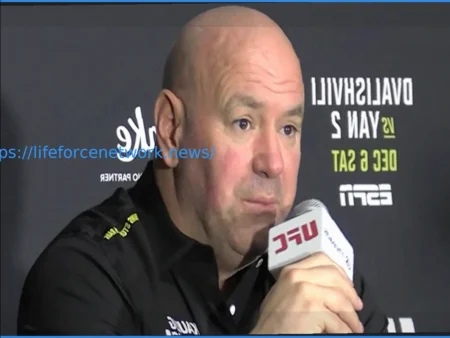

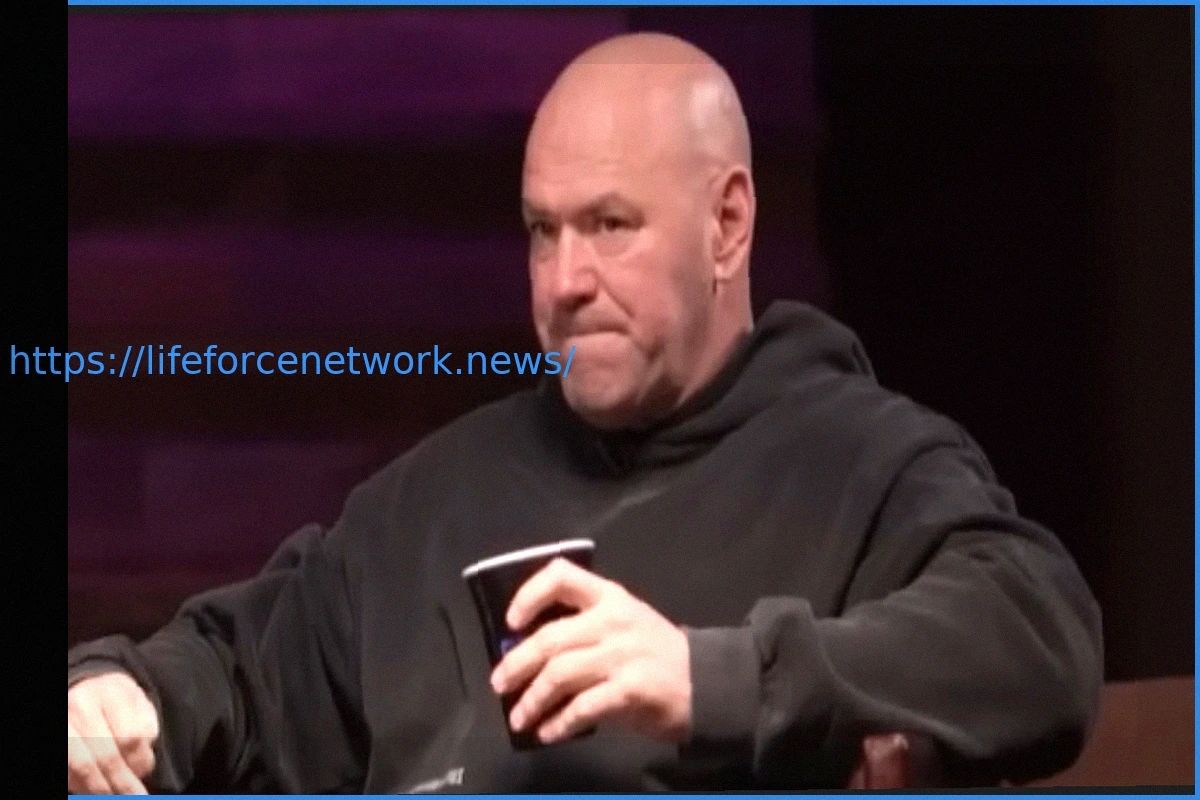
During the Zuffa Boxing 4 post-fight press conference, Dana White launched a strong critique against traditional boxing sanctioning bodies. He cited the recent situation involving Jai Opetaia as clear evidence supporting Zuffa Boxing’s vision for operating independently from established organizations.
Jai Opetaia Caught Between IBF and Zuffa’s Aspirations
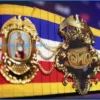
Jai Opetaia entered fight week holding both the IBF and Ring cruiserweight titles. Zuffa Boxing intended his bout with Brandon Glanton to serve as the launchpad for its own promotional championship. The initial plan allowed Opetaia to defend The Ring belt, compete for the new Zuffa strap, and maintain his IBF title as part of his resume and the event’s promotional materials.
As the event approached, Opetaia publicly dismissed rumors that the IBF belt would not be contested, asserting that the title remained involved and he had fulfilled all his obligations, including sanctioning fees and the required weigh-in protocol. However, behind the scenes, the IBF had already expressed unease with Zuffa’s decision to promote its new belt as a full world title rather than merely an honorary award on the same fight card.
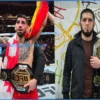
According to various reports summarizing IBF correspondence, Zuffa initially assured the organization that any new belt would be framed as a trophy, not a rival championship. Yet, as the event drew nearer, Zuffa began marketing it as a world title. The IBF officials interpreted Opetaia’s actions at the press conference—placing the IBF belt on a separate dais while the Zuffa belt took center stage between the fighters—as confirmation of their concerns. Consequently, they moved to strip him of his title before fight night.
Dana White’s Unwavering Stance on Sanctioning Bodies
For months, Dana White has been vocal about Zuffa Boxing’s intention to reject the “alphabet-title system.” He argues that sanctioning bodies have undermined the sport through excessive fees, political interference, and the fragmentation of championships. White has repeatedly stated that Zuffa will align with The Ring’s lineal championship and its ranking system, while actively ignoring titles from organizations like the WBC, WBA, WBO, and IBF.
White emphasized Zuffa Boxing’s commitment to competitive matchups, stating, “You guys know how I feel about this crossover s*. Every time there’s a big UFC card or a big Zuffa Boxing card, everybody wants to talk about UFC versus boxing, MMA versus boxing. That’s not what this is. Zuffa Boxing is its own thing. We’re here to fix what was wrong with boxing for a long time – one guy as a massive favorite, terrible undercards, fights that never get made because promoters don’t want to risk their guys.”
He continued, “Boxing’s problem was always that the best didn’t fight the best often enough. We’re not doing any of that. We’re putting on competitive fights top to bottom, no tune‑ups, no bullshit. If you tune in to a Zuffa Boxing show, you’re going to see real fights, not 30–1 against a guy who took the fight last week.”
White even added a warning: “I see lawsuits coming.”
In previous interviews, White pledged to “get rid of the sanctioning organizations” within his events, promising a unified structure where the top fighters would meet, and Zuffa-owned titles, supported by Ring Magazine’s rankings, would become the new standard. He did acknowledge, however, that the project was “a work in progress,” especially when signing boxers like Opetaia who already held traditional belts, indicating a need for a case-by-case approach for fighters whose careers were intertwined with those titles.
The tension surrounding this issue was starkly evident at Zuffa Boxing 4. Opetaia competed with the Zuffa and Ring belts at stake, but the IBF strap was removed due to the sanctioning body’s refusal to share prominence with a promoter-created title. For White, this incident served to reinforce his long-standing argument: Zuffa’s model, characterized by competitive matchmaking and a simplified championship structure, is specifically designed to prevent the very kind of “title drama” that overshadowed one of his first major cruiserweight events.