

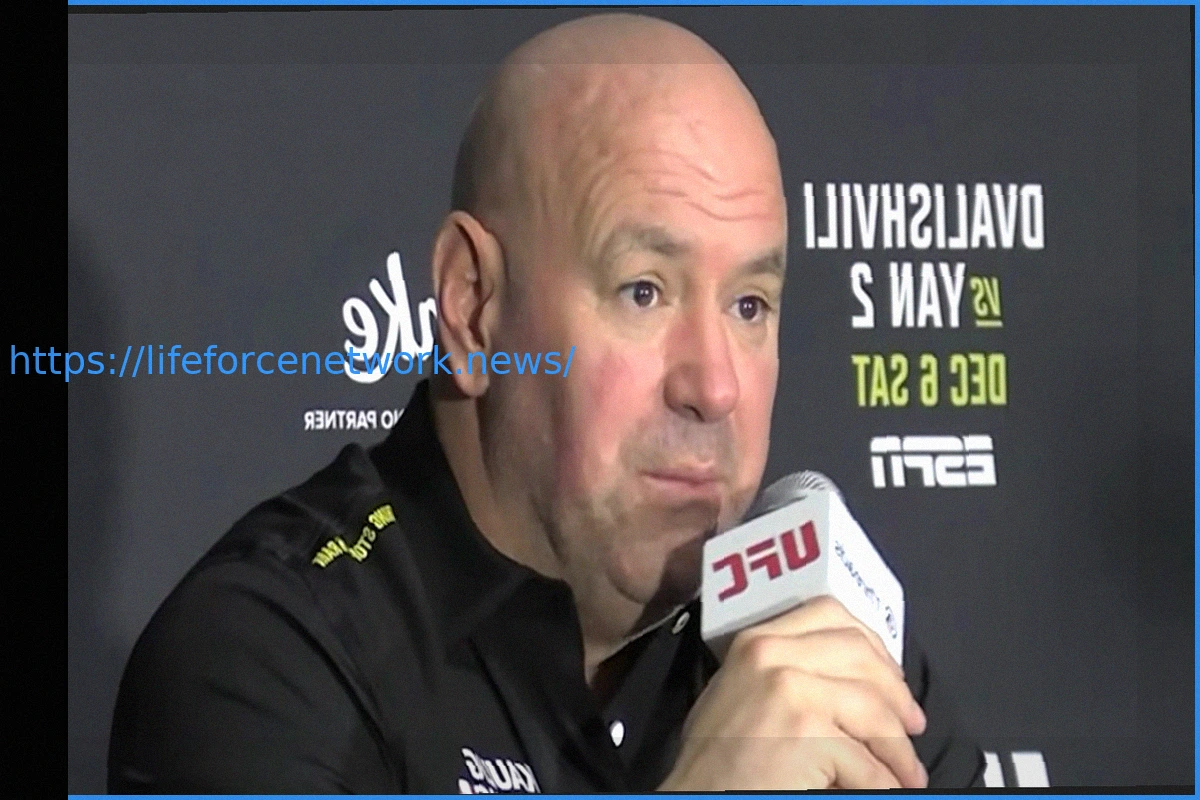
Following Zuffa Boxing 04, Dana White shifted the conversation from fight outcomes to fighter salaries, using Conor Benn’s reported $15 million debut purse as an indicator of his aspirations for both his new boxing venture and the UFC during the upcoming Paramount era.
Zuffa Boxing 04, held at the Meta APEX in Las Vegas, crowned Jai Opetaia as the inaugural Zuffa cruiserweight champion. The Australian secured a wide unanimous decision victory (119-106) over Brandon Glanton. It marked another successful night for the new brand, which has been developed from the UFC’s Las Vegas hub and heavily promoted on Paramount+ as part of a broader rights agreement set to redefine the promotion’s business model.
Dana White Highlights Conor Benn’s $15M Deal Amidst Paramount Era for Boxing and UFC
Away from the ring, headlines were dominated by Conor Benn’s decision to leave Matchroom and sign a reported one-fight deal with Dana White and Zuffa Boxing, valued by boxing insider Dan Rafael at approximately $15 million. This substantial move sparked questions about the significance of such a purse in a landscape where even established UFC champions rarely receive eight-figure disclosed paydays.
White did not shy away from this topic when speaking post-fight. He emphasized the idea that Zuffa Boxing, and the Paramount deal supporting it, are designed to attract new fans and, in his view, raise pay across the board.
“Observe the current landscape. Zuffa Boxing is drawing in an entirely new audience, with fresh fans watching these fighters for the first time. This is the strategy for star creation – placing them in significant bouts before large audiences, not as an obscure undercard attraction for a few thousand. For too long, boxing featured one major star and many unknowns. We are changing that. And undoubtedly, increased viewership and engagement directly benefit the fighters. As I’ve always stated: as the sport expands, everyone benefits.”
For White, this argument is now intrinsically linked to the UFC’s extensive long-term partnership with Paramount and CBS – a streaming-centric agreement reportedly worth over $7 billion across seven years, averaging approximately $1.1 billion annually, and moving away from the traditional pay-per-view structure. He has publicly committed to increasing standard post-fight bonuses once the Paramount era commences in 2026, estimating the additional annual payouts to fighters at millions of dollars.
“Why should more money for fighters be considered negative? Increased financial resources in the sport are invariably positive. We’ve secured an excellent television rights deal, and I assure you, fighter compensation will be robust over the next seven years.” Former UFC champion Demetrious Johnson described the Benn deal as a “flex,” demonstrating Zuffa’s willingness to invest heavily in boxing, and it stands as the clearest illustration of White’s strategy to leverage new capital and visibility for his crossover ventures.
The issue of UFC fighter pay has been a persistent point of contention, lending additional significance to Dana White’s remarks post-Zuffa Boxing 04. Critics highlight that despite UFC revenues exceeding an estimated $1.4 billion in 2024 under TKO Group, analyses indicate fighters receive only a mid-teen percentage of this total. This is significantly less than the approximately 50 percent share seen in major sports leagues like the NFL and NBA. This disparity reinforces the belief that while White promotes record business growth and promises widespread benefits in the Paramount era, the typical UFC athlete remains underpaid compared to the company’s earnings.
A ten-year antitrust lawsuit filed by fighters accused Zuffa and the UFC of leveraging restrictive contracts and market dominance to suppress wages. This resulted in a proposed $375 million settlement receiving preliminary approval from a Nevada judge in late 2024, followed by an additional lawsuit in 2025 led by Phil Davis, alleging ongoing anticompetitive practices.
Conversely, White has consistently defended the UFC’s compensation model, stating in interviews that fighters receive appropriate pay. He maintains that the $7.7 billion Paramount deal will “trickle down” to fighters via increased bonuses and enhanced contracts, even as prominent athletes like Justin Gaethje publicly voice concerns about their pay not reflecting the new agreement.
However, whether a $15 million payout becomes commonplace remains uncertain. Even Johnson has cautioned that such high-scale payouts may not be sustainable long-term, particularly for fighters still establishing their reputations.